
Post Criminal History Checks
First identify what happened and which office created the record. A recent arrest or incident in Post starts with the Garza County jail or sheriff. A Class C traffic, ordinance, animal-control, or fine-only criminal matter starts with Post Municipal Court. A felony or Class A or B misdemeanor goes to the combined District and County Clerk. DPS CCH can add reported Texas convictions and deferred adjudications, but it is not a recent-arrest list.
- Call the county jail for immediate custody because Post has no city roster or county web roster.
- Request the officer's report from GCSO and give the incident date, place, names, and file number when known.
- Contact Post Municipal Court for a fine-only city case or citation.
- Contact the combined clerk when a charge reaches County Court or the 106th District Court.
- Use DPS or a personal fingerprint review only for the state-level question those systems answer.
The official Post department list routes law enforcement to the county sheriff.

That directory is direct evidence that a search should not be sent to a fictional Post police records desk.
Post Records in a One-City County
Post is Garza County's only incorporated municipality. The official 2024 estimate lists 3,594 residents in Post, compared with a county estimate of 4,645. Close City, Justiceburg, Southland, and Graham are communities, not incorporated cities. This means municipal court traffic is concentrated in Post while GCSO serves the broad rural county as well as the city.
The Census TIGER incorporated-place index lists Post as the sole Garza municipality.
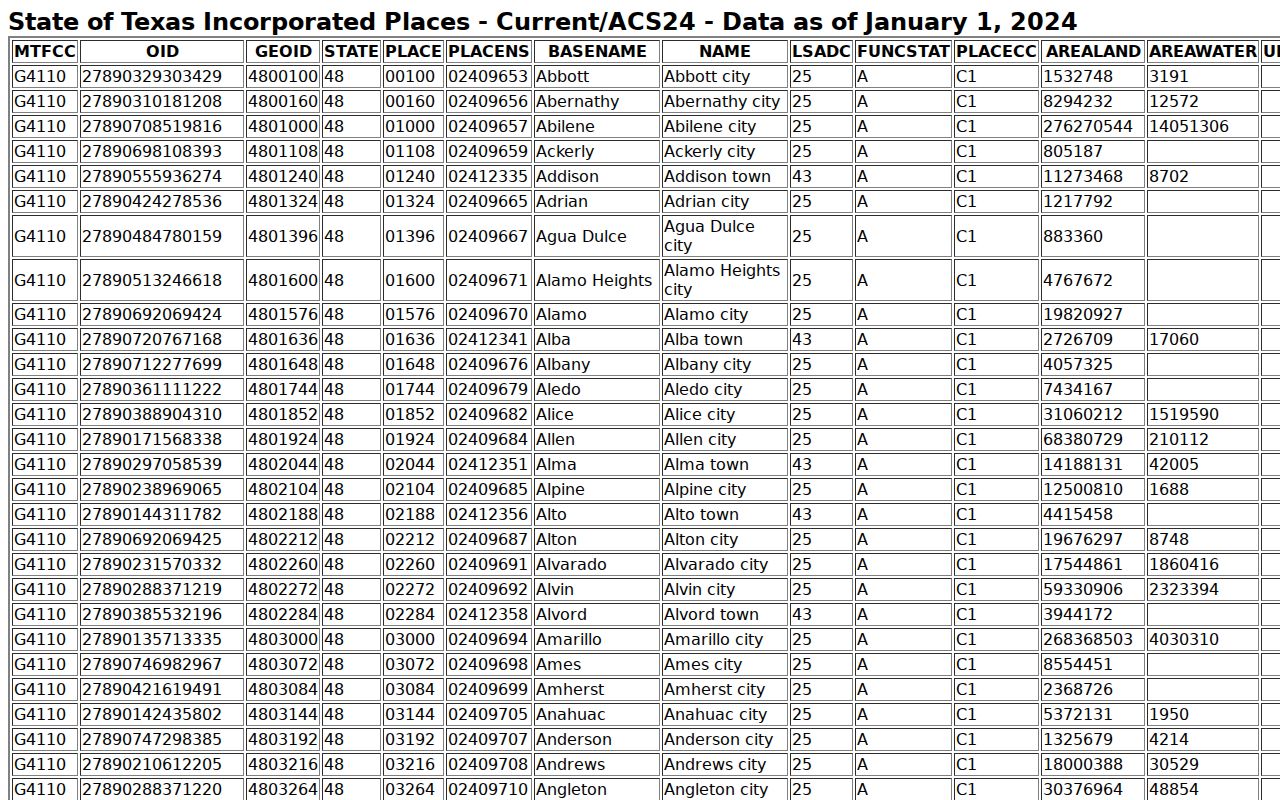
The population context explains why a city case may have a Post court file but still rely on county law enforcement and booking channels.
Note: Post is the only incorporated city in Garza County, so no second municipal records office should be assumed.
Records at the Post Police Department
There is no Post Police Department in the official city directory. GCSO is the principal local law-enforcement record holder. The sheriff's office and adult jail share the Garza County Law Enforcement Center at 412 East 15th Street. Call the sheriff at 806-495-3595 or 806-990-9959. Call the jail at 806-990-9974 for current custody. Constables, Texas DPS troopers, and game wardens keep reports they create, so the arresting agency still matters.
Use the GCSO Open Records Request form for an incident report, arrest report, booking material, 911/CAD item, or body-camera material. The form asks for the incident type, date, address, file number, involved names, and locating details. Confirm where to send it before submission because the county does not publish a separate online report portal.
Garza County Sheriff
412 E 15th Street
Post, TX 79356
806-495-3595
Jail: 806-990-9974
Post Arrest Records on Paper
The sheriff form is the practical police-record request for Post. Copies cost $1 per page. More than 50 pages may add cost, and the office sends an estimate when expected charges exceed $40. After notice that the file is ready, the requester has 15 calendar days to collect it. A pending investigation or protected information can narrow what is released.
| Locating fields | Incident date, location, file number, incident type, and involved names. |
|---|---|
| Requester fields | Name, mailing address, phone numbers, email, date, and signature. |
| Processing | Ten business days to process or seek an Attorney General ruling. |
| Cost notice | Estimate above $40 and possible added cost after 50 pages. |
| Pickup | Fifteen calendar days after notification. |
A broad request can be hard to locate. Give the specific event and ask for the report type needed. The combined clerk, not the sheriff, is the proper source for the later court judgment.
Booking and Arrest Records in Post
A person arrested in Post ordinarily goes to the adult Garza County jail, not a city holding facility. No official web roster or arrest log is published. Call 806-990-9974 for immediate status, then use the sheriff form for the detailed arrest or booking record. Ask for the arresting agency, booking date, booking number, charge, bond or custody status, and release information that may lawfully be given.
The arresting officer creates the report, while the jail creates the custody snapshot. Later, prosecutors may file a different charge. A court may dismiss it, defer adjudication, acquit, or convict. For this reason, an arrest is not proof of guilt. The Garza County arrest search explains the full county channel chain and the difference between jail and TDCJ custody.
Note: A person housed in the Garza jail may have been arrested elsewhere because the county also holds people for outside entities.
Post Court Records Without a Portal
Post Municipal Court publishes no public case-search portal. Phone, written request, mail, and the counter are the practical channels. The court is at 106 South Broadway, Post, Texas 79356. Call 806-990-3108, fax 806-990-3107, or email postmunicipalcrt@postgarza.net. Hours are Monday through Thursday from 9:00 a.m. to 4:00 p.m. and Friday from 9:00 a.m. to noon.
The Post Municipal Court page explains jurisdiction, appearance, warrants, and payment.
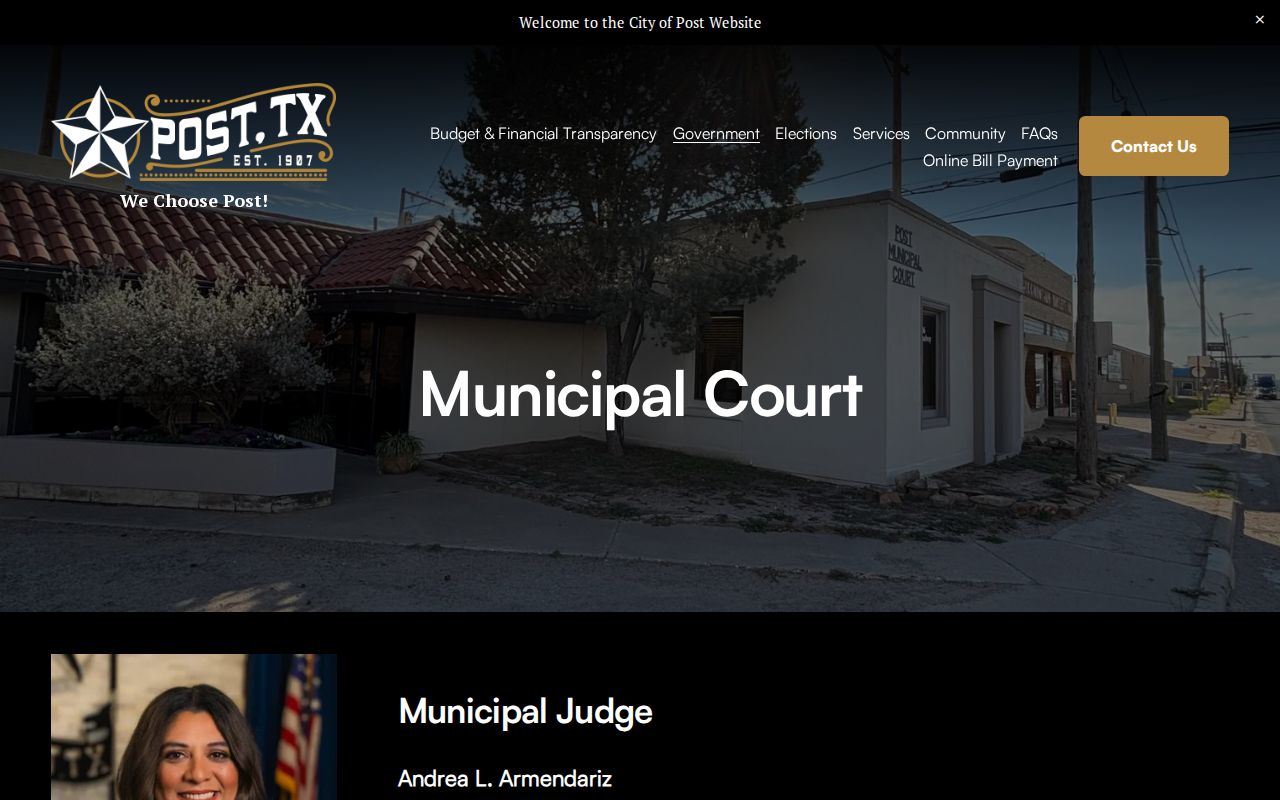
A phone call can supply information, but it does not count as a defendant's appearance. A person must appear in person or by mail as directed.
Note: FASTGovPay processes payments but does not provide a public search of Post Municipal Court cases.
The Post Municipal Court File
The city court handles Class C fine-only traffic and criminal offenses, municipal ordinances, and animal-control cases. Its file may identify a citation or cause number, charge, plea, hearing, order, payment status, deferred disposition, driving-safety request, warrant event, and final outcome. Those records stay distinct from the officer's incident report and the county jail booking.
| Court name | Post Municipal Court. |
|---|---|
| Case types | Fine-only Class C, traffic, ordinance, and animal-control matters. |
| Lookup channel | Phone, counter, mail, or written request; no public case portal. |
| Docket content | Citation, plea, settings, orders, disposition, payments, and warrants where applicable. |
| Payment limit | FASTGovPay accepts payments but does not search case records. |
FASTGovPay normally takes full payments and adds a 3.5 percent minimum card fee unless the court approves an extension or plan. Deferred disposition or a driving-safety course needs approval before online payment. Paying first can give up options, so contact the court before choosing a remedy.
Post Criminal Record Court Forms
The Post forms hub provides a 31-day extension, plea form, payment plan, driving-safety papers, deferred-disposition request, compliance affidavits, and an indigent or community-service packet.
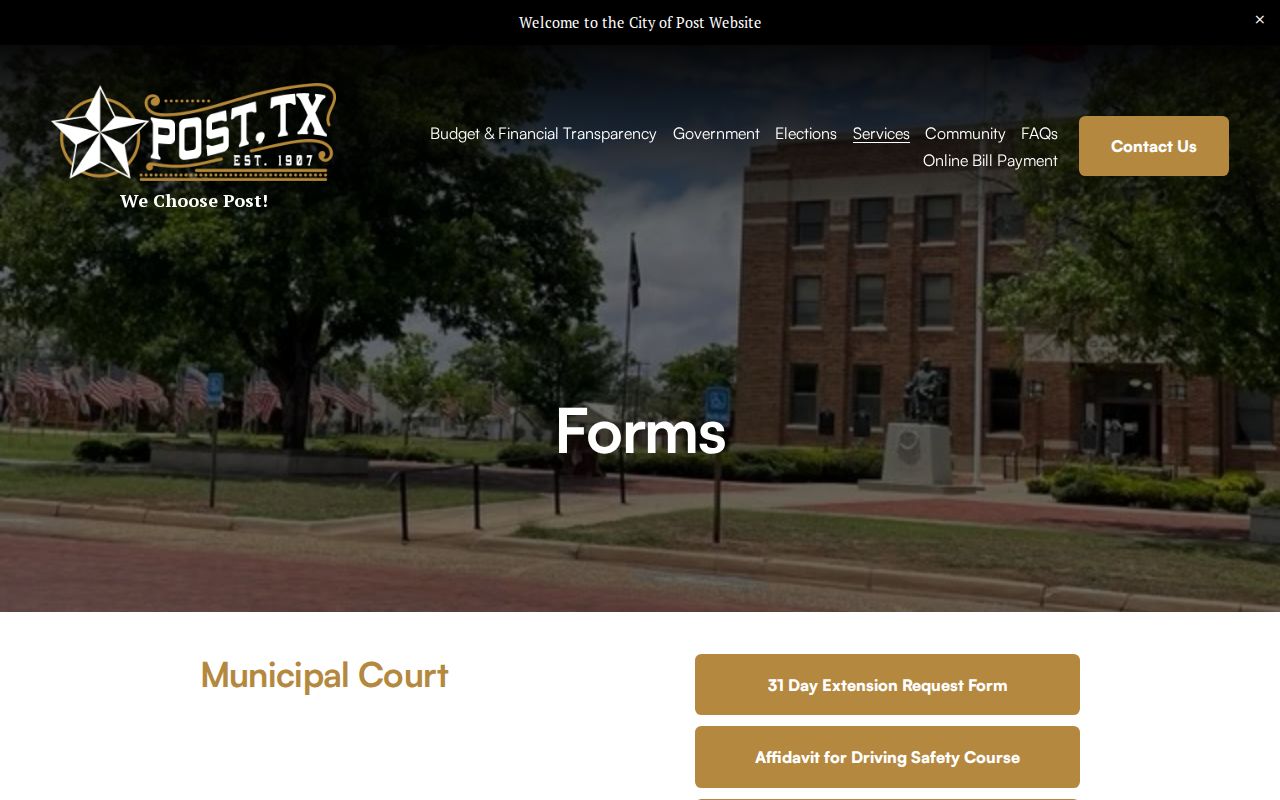
The plea form asks for the cause or citation number, charged offense, plea, trial choice when not guilty, signature, date, address, and phone. It warns that a guilty or no-contest result may appear on criminal or driver records. The deferred form asks about eligibility, including commercial-license and speed conditions. The driving-safety affidavit records the required sworn statement.
The city also publishes a youth-diversion plan under HB 3186 for eligible minor youth misdemeanors. A person age 16 or younger appears with a parent or guardian and must call by the appearance date. Address changes must be reported in writing within seven days until final disposition. That route is a distinct, city-specific case process.
Post Warrant Records Need Confirmation
Municipal warrants may follow failure to appear, failure to obey a judge, or a broken payment plan. The court directs a person with a failure-to-appear warrant to appear or request information in writing. Unpaid cases can lead to an Omnibase driver-license nonrenewal hold and may go to MVBA after 60 days.
Confirm clearance: An online payment does not prove that a Post or Garza warrant has cleared. Ask the issuing court after the payment posts.
For a district or county warrant, contact the combined clerk and sheriff. For a Post fine-only warrant, contact Municipal Court. For justice-court process, contact the issuing precinct. Ask for the subject name, cause or citation, warrant type, charge, issue status, and bond or amount. Sealed and juvenile warrants are not made public by a routine request.
How Post Records Reach the County
Post has no city police report stream. The local path begins with GCSO, another county officer, a DPS trooper, or a game warden. The adult jail adds booking details. Fine-only city charges stay with Municipal Court. Class A or B misdemeanors go to County Court, and felonies go to the 106th District Court. The combined clerk reports qualifying prosecution and disposition events to DPS.
Record flow: GCSO or other arresting agency › Garza County Jail › Post Municipal Court or Garza County courts › Texas Department of Public Safety.
The DPS error-resolution page explains what to do when a state history lacks the final result.
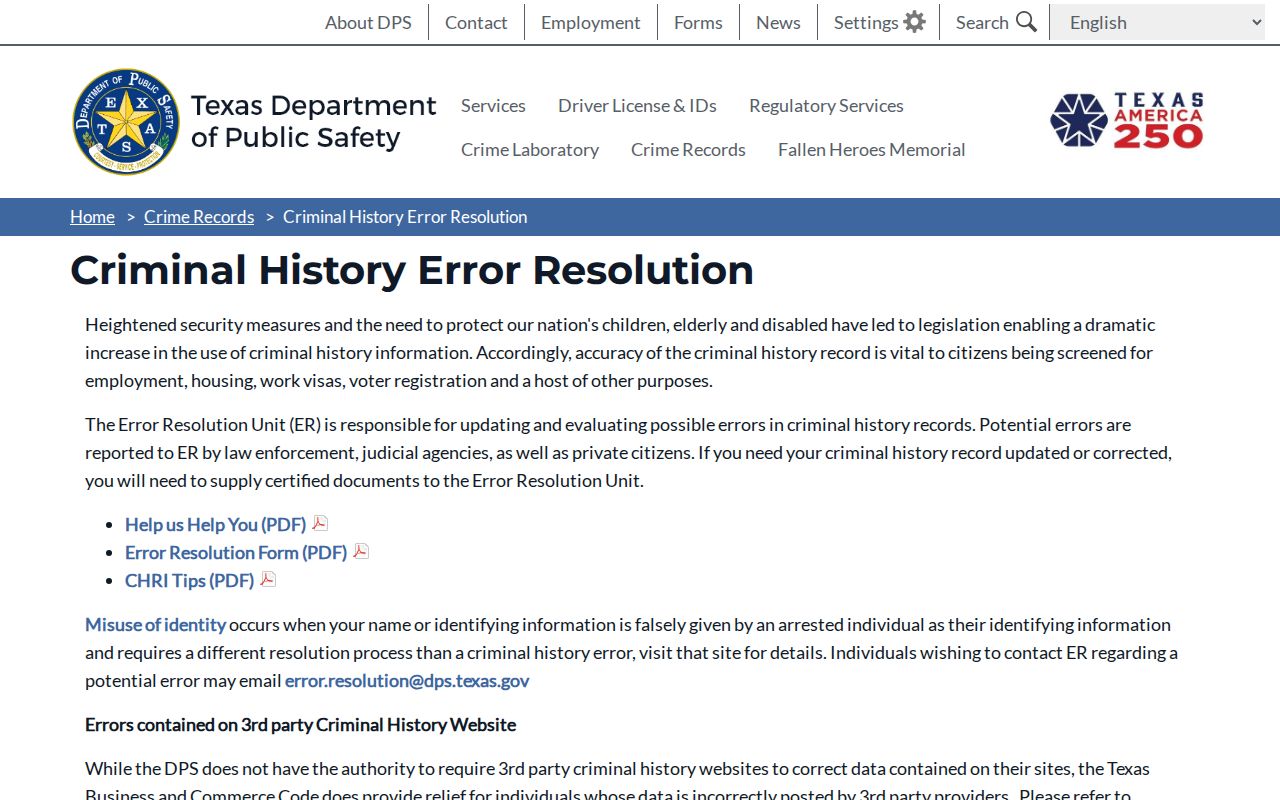
DPS directs the person to obtain a certified disposition from the court. The court's embossed seal matters because an ordinary copy may not support the correction.
Note: Match the cause number and charge before asking DPS to add or correct a disposition.
Post Records Across Three Buildings
The courthouse at 300 West Main holds district and county case files. Post Municipal Court at 106 South Broadway holds fine-only city files. The Law Enforcement Center at 412 East 15th holds sheriff, arrest, booking, and adult jail records. That three-building split is the simplest map of Post criminal records.
The Texas Historical Commission courthouse entry documents the 1923 building.
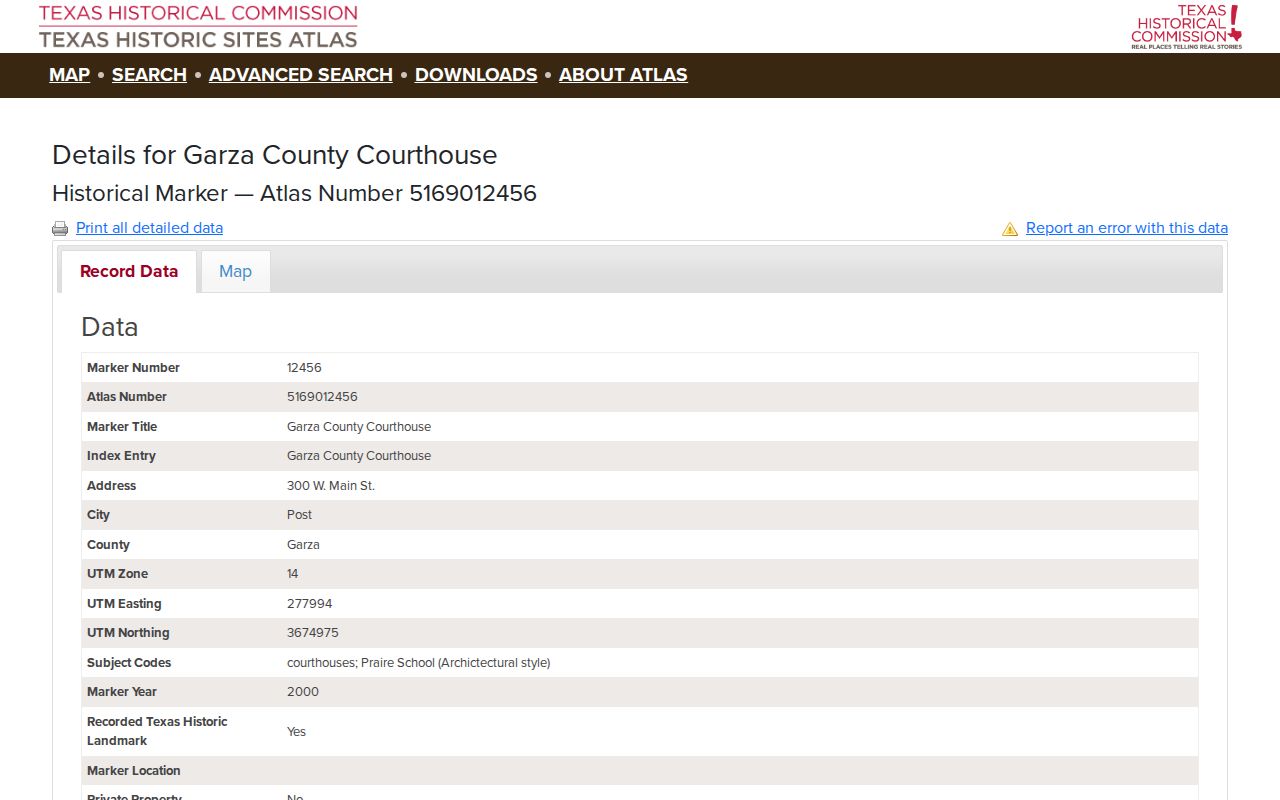
The Prairie School courthouse remains an active judicial and record counter, not merely a landmark.
Texas DPS requires NIBRS-compliant monthly crime reporting, as described in its Uniform Crime Reporting overview.
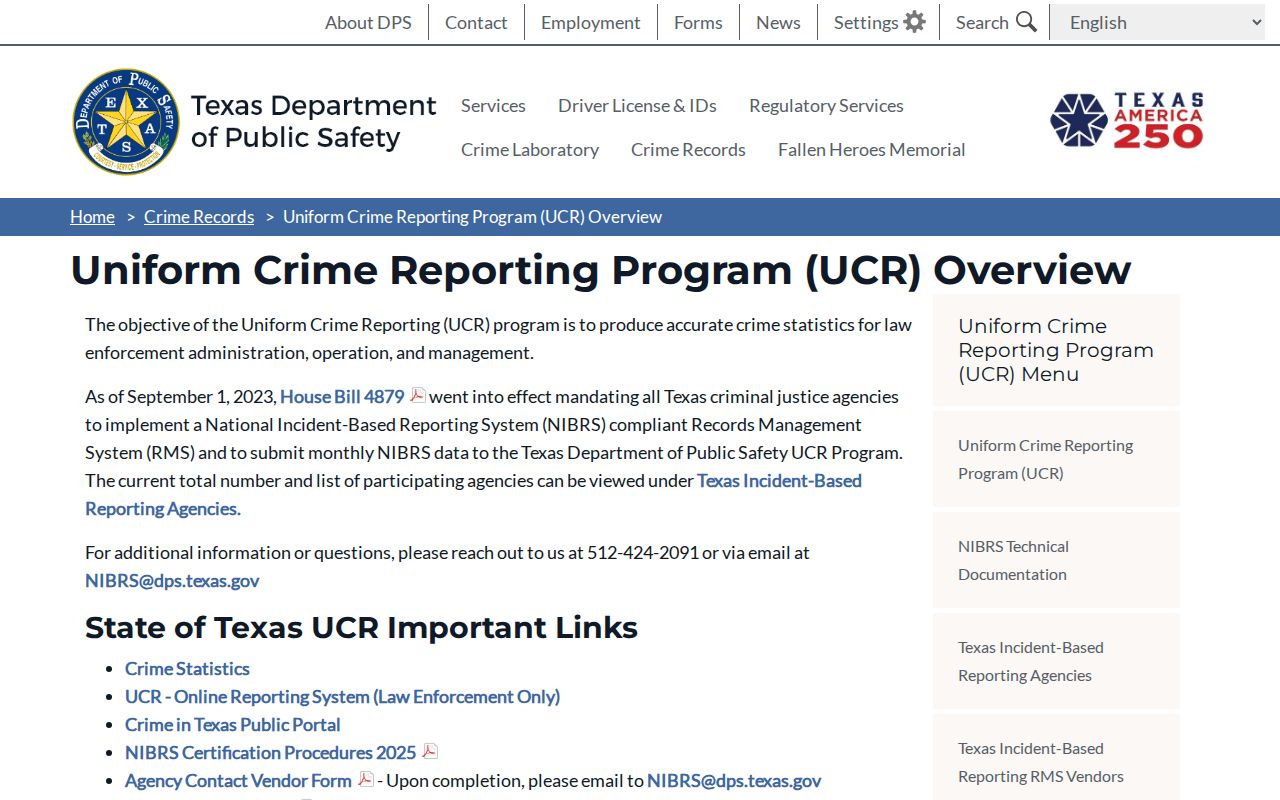
No current Post crime total should be inferred from an old table. A 2008 DPS count is useful only as historical proof that the reporting agency was Garza County Sheriff, not a Post police department.
Post Record Context From Local History
Post sits at the Caprock Escarpment and the crossing of US 84 and US 380. C. W. Post founded the settlement as a model colony in 1907 after buying land from the U Lazy S Ranch. The community added a railroad in 1910 and incorporated as Post in 1914. The early colony prohibited alcohol and brothels, a historical rule that should not be confused with current criminal law.
The official Post history describes the colony, mill, railroad, and unusual rainmaking experiments.

Those details ground the city page without turning old local stories into modern safety claims. Current records still come from the named offices and current Texas systems.
Note: Historical crime figures should never be presented as a current measure of safety in Post.
Post Custody Records After Dalby Reopened
The Giles W. Dalby facility is separate from the Garza County adult jail. It closed in 2024 after an operator contract ended. In August 2025, reporting described a $110 million state purchase moving forward.
The state-purchase report documented that transition.
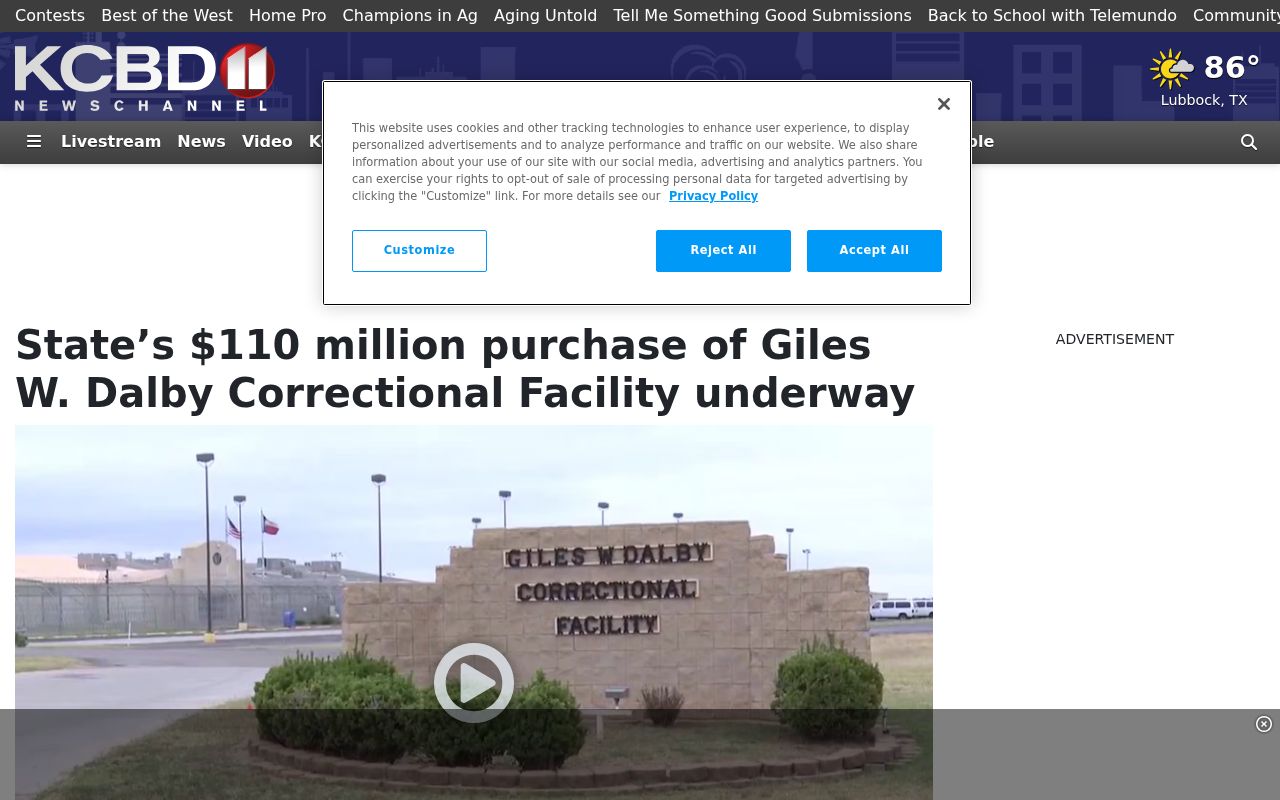
The purchase changed who would control future custody information at the facility.
A February 2026 report on the TDCJ reopening stated that about 900 of an expected 1,900 people were present.
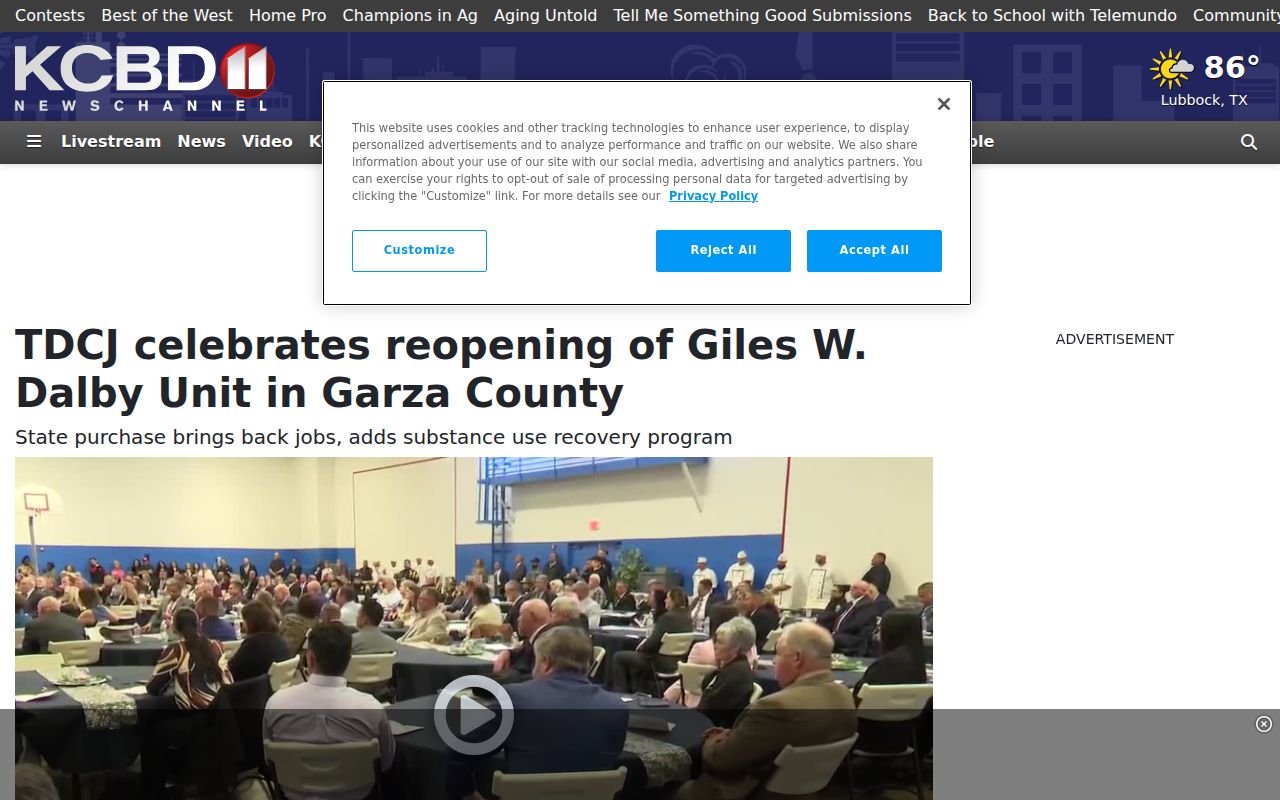
Use TDCJ channels for Dalby state custody. Use the county jail phone for a local booking. Neither facility should be mistaken for the separate juvenile center.
Post Record Access Rules
Texas public-information law applies to city and county administrative records, subject to confidentiality and exceptions. Court case records follow the judicial access framework and are sought from the court clerk. Juvenile data, victim identities, active-investigation material, restricted criminal-history information, and specified personal identifiers may be withheld or redacted.
Key Texas rules:
Government Code Chapter 552 governs public-information requests.
Government Code Chapter 411 limits release of protected criminal-history data.
Code of Criminal Procedure Chapter 66 governs reporting from agencies and courts to DPS.
Ask GCSO for the officer's report, the jail for immediate custody, Municipal Court for its fine-only docket, and the combined clerk for the later county case. That source-based approach gives a clearer result than a broad request sent to the wrong building.